What to See in Tuscany: From Art Cities to the Chianti Hills and the Sea.
Tuscany, located in central-northern Italy, is one of the most famous and beloved regions in the world. Its immense popularity with tourists is due to a perfect combination of factors: a unique artistic and architectural heritage, picture-perfect rolling hills, a spectacular coastline, and a legendary food and wine tradition.
The region is extraordinarily diverse: the northern and eastern inland areas are dominated by the peaks of the Tuscan-Emilian Apennines, which then give way to the world-famous rolling hills, stretching all the way to the more than 400 kilometers of coastline bordering the Tyrrhenian Sea.
The Beaches of Tuscany: From Versilia to the Rugged Coastline
Along the Tuscan coast, the landscape undergoes a fascinating transformation as it stretches from north to south:
- The northern coast (Versilia): Characterized by wide, sandy beaches and historic, elegant beach resorts. Among the top destinations, the world-famous towns of Viareggio and Forte dei Marmi stand out.
- The central-southern coast: As you head south, the coastline becomes wilder, alternating between rugged, rocky shores and enchanting sandy coves nestled amid the Mediterranean scrub.
The Tuscan Hills: The Landscapes of Chianti and Val d’Orcia
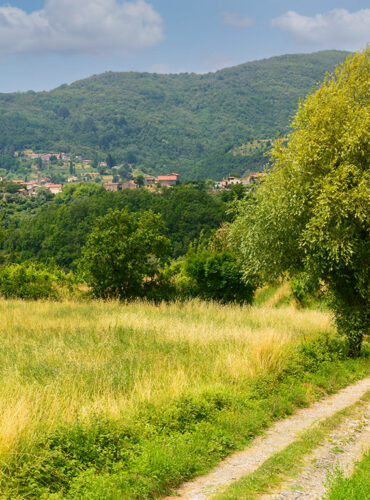
The hills of Tuscany are the very symbol of the Italian landscape around the world. Each area has its own unmistakable identity:
- Chianti: One of the most prestigious wine-growing regions in the world. The vineyards that produce the famous Chianti DOCG wine are located among the historic villages of Greve in Chianti, Radda, Gaiole, Castellina, and Castelnuovo Berardenga.
- The Val d’Orcia and the Crete Senesi: Fairytale-like landscapes characterized by rows of cypress trees, clay-rich hills, and villages frozen in time.
- The Val di Chiana and Volterra: Famous for their Etruscan history and for the spectacular “Balze,” imposing chasms created by soil erosion.
Tuscany’s cities of art: an open-air museum
Tuscany is home to an impressive number of medieval and Renaissance masterpieces. If you’re planning a cultural itinerary, here are the must-see stops:
Major Cultural Centers
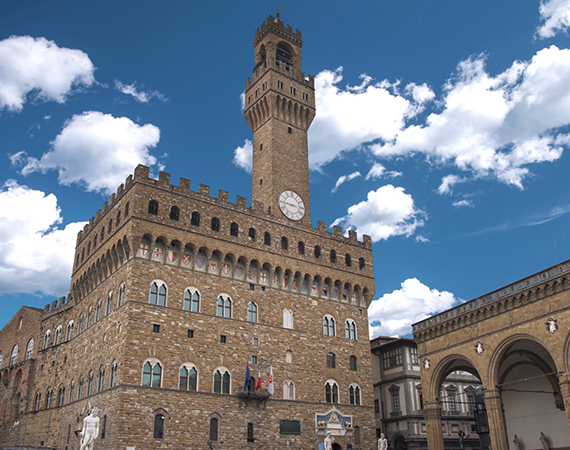
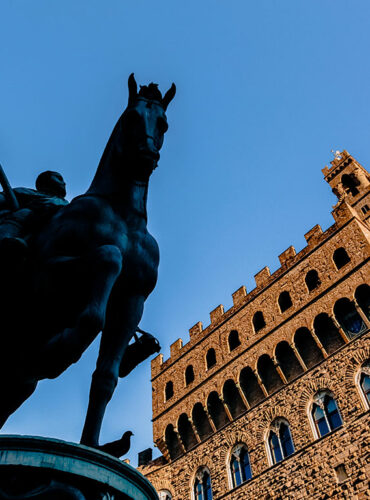
- Florence: The capital and cradle of the Renaissance, a treasure trove of priceless museums such as the Uffizi Gallery and architectural wonders such as Brunelleschi’s Dome.
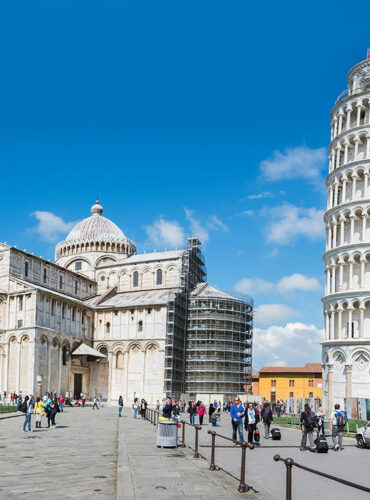
- Pisa: Famous throughout the world for its iconic Leaning Tower and Cathedral, located in the monumental Piazza dei Miracoli.
- Siena: A medieval city that has remained intact, famous for its splendid Piazza del Campo, which twice a year hosts the centuries-old and thrilling Palio di Siena.
Villages and Historic Gems
The region is dotted with small towns of extraordinary beauty, such as San Gimignano, known as the “Manhattan of the Middle Ages” for its dozens of soaring towers. Added to these are the splendid historic walls of Lucca, the architecture of Arezzo, Pistoia, and Cortona, and the home towns of the great Tuscan red wines, Montalcino and Montepulciano.